
.
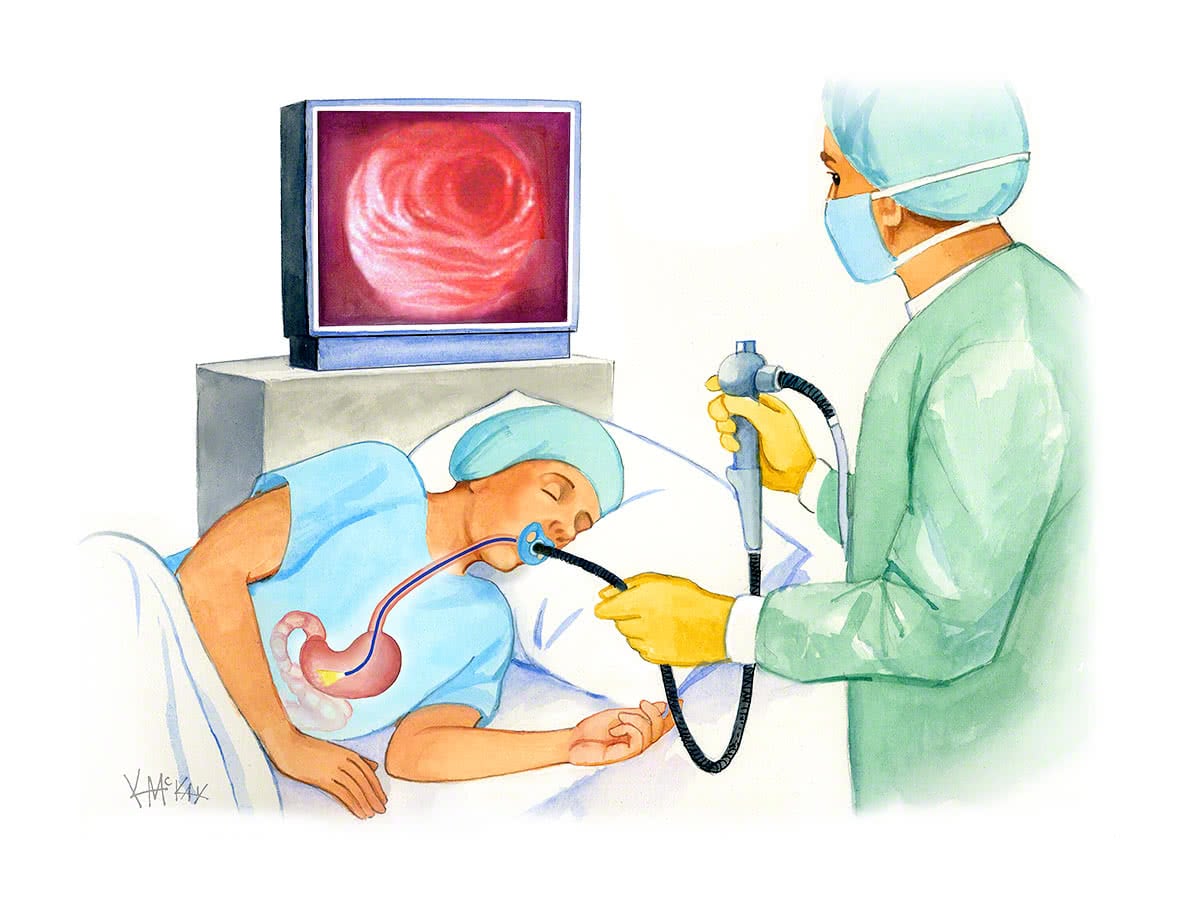
Our surgeons are all highly skilled in endoscopy and in the diagnosis of reflux oesophagitis and its management. Reflux oesophagitis is a diagnosis made during upper endoscopy, with biopsy confirmation required.
What is reflux oesophagitis?
Oesophagitis may result from gastro-oesophageal reflux disease (GORD) where the acidic gastric contents reflux into the distal oesophagus. It is common in those with a hiatus hernia. The diagnosis is made during gastroscopy with red patches (erythema) or even ulceration of the mucosal lining of the oesophagus, with biopsies confirming oesophagitis on histopatholoy.
What is the treatment?
Oesophagitis is treated by taking a medication that lowers the acid. The most effective medication is a proton-pump inhibitor, which include pantoprazole (Somac®) rabeprazole (Pariet®) ompeprazole (Losec®) or esomeprazole (Nexium®). Peristent oesophagitis can lead to dysplasia, and even cancer, which can be excluded on biopsy.
Long-term risks of untreated reflux oesophagitis (GORD):
Long-standing acid reflux can change the normal oesophageal lining into Barrett’s oesophagus, a precancerous condition. It often causes no new symptoms but increases cancer risk.
Barrett’s oesophagus increases the risk of oesophageal adenocarcinoma (cancer of the lower oesophagus). The overall risk is low, but higher with long-term untreated reflux.
Other complications of untreated GORD include:
o Narrowing of the oesophagus (strictures) causing difficulty swallowing
o Ulcers and chronic bleeding
o Ongoing inflammation and reduced quality of life