
Carpal tunnel release is a surgical procedure that divides the transverse carpal ligament in order to relieve pressure on the median nerve.
How the Procedure Is Performed?
- Small Incision: The surgeon makes a small transverse incision (about 1.5 cm) near the wrist crease. This location helps minimize scarring and avoids sensitive areas of the palm.
- Protective Guide: A smooth, blunt instrument is gently placed under the ligament. This tool protects the median nerve and surrounding structures during the procedure.
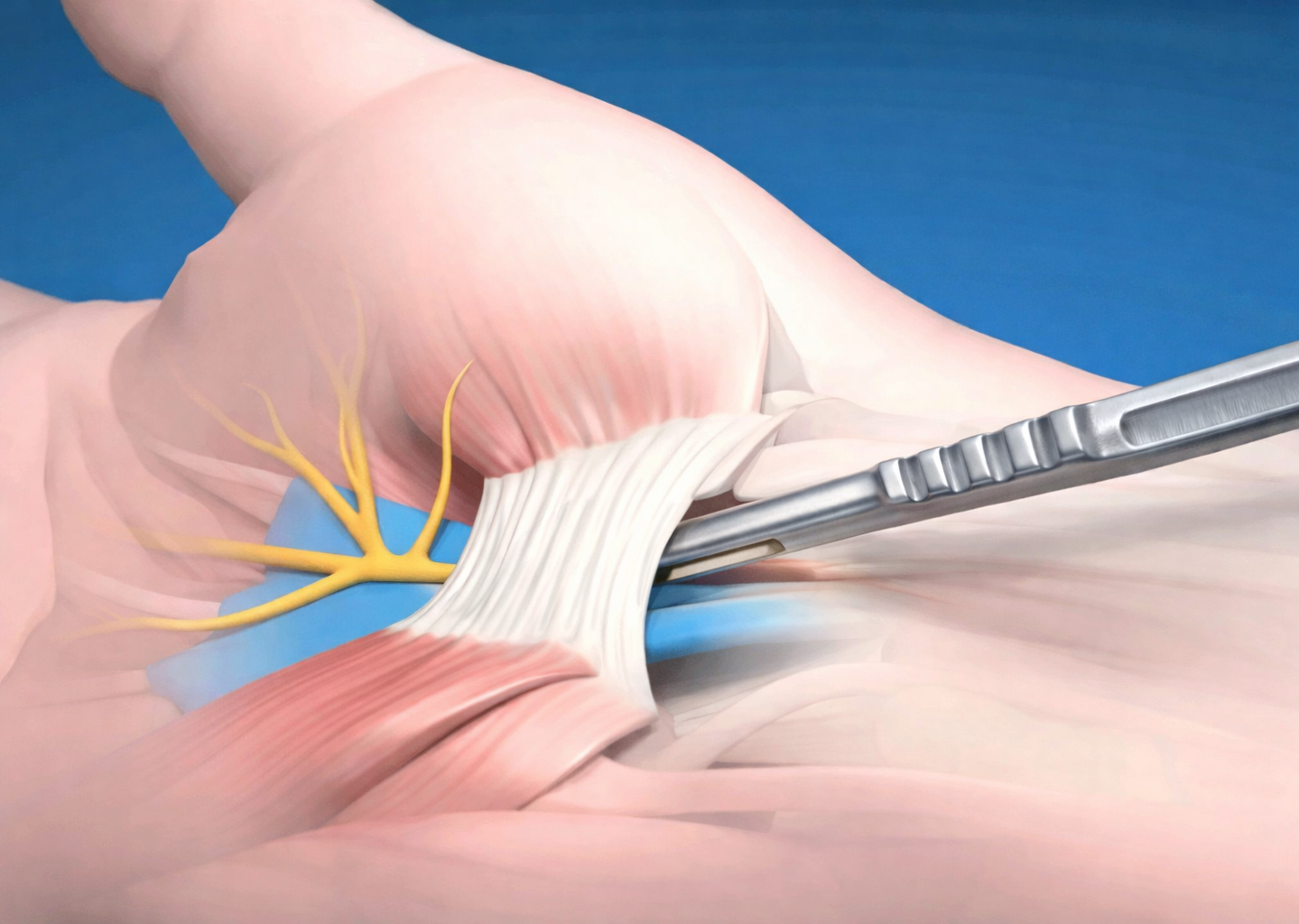
Figure 1. Protective guide passed beneath the Transverse Carpal Ligament.
- Ligament Release: Using the guide, the surgeon carefully passes an upward facing blade that divides the tight ligament that is compressing the nerve
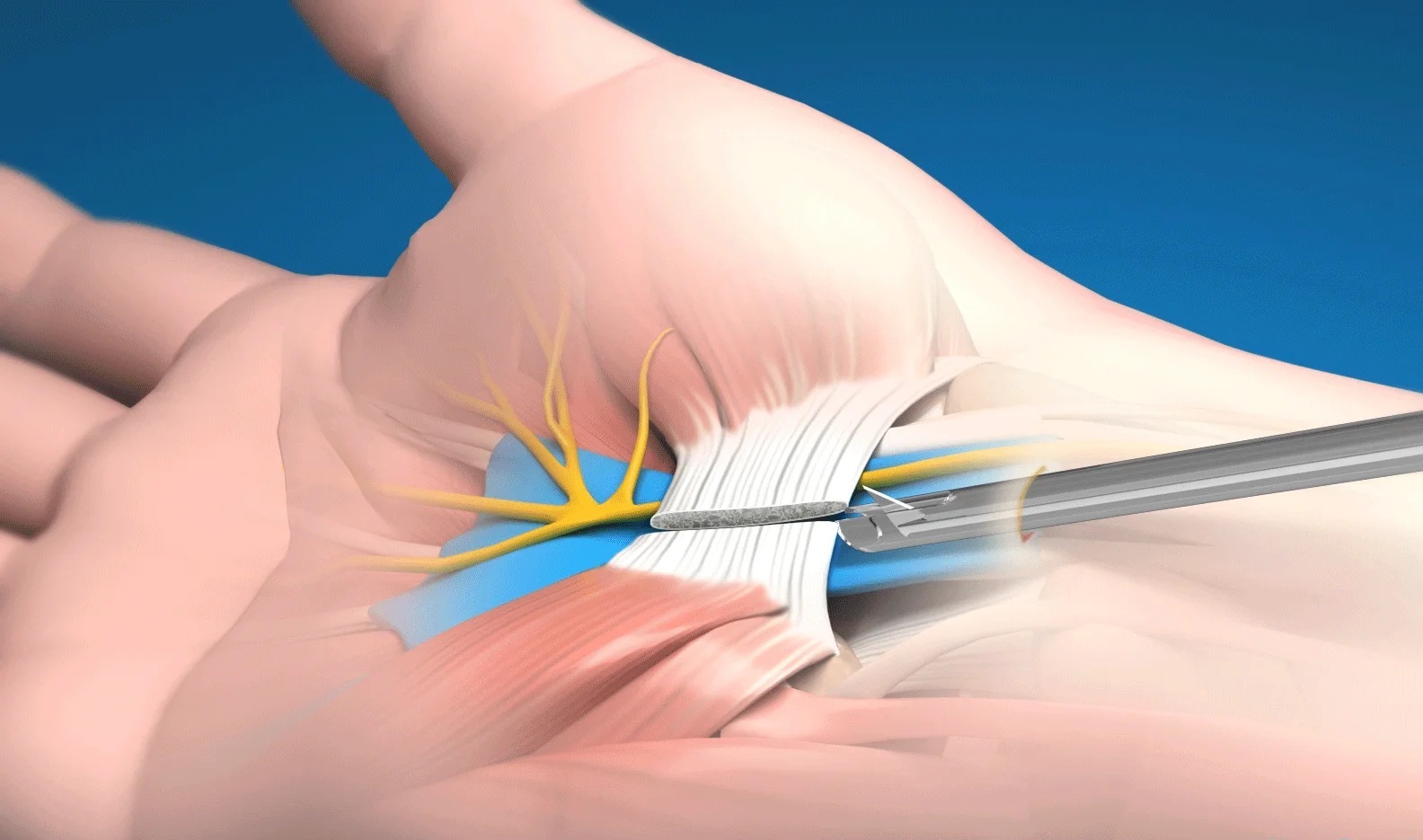
Figure 2. Upward facing blade used to divide the Transverse Carpal Ligament.
- Confirmation: The surgeon checks to ensure the ligament has been fully released.
- Closure: The incision is closed with one or two stitches.
Benefits of the Minimally Invasive Approach
- Less Pain After Surgery: Because there is less disruption of the palm tissues, patients often experience less postoperative “pillar pain.”
- Smaller Scar: The incision near the wrist crease is usually less sensitive than a traditional palm incision.
- Safety: The use of a protective guide helps reduce the risk of injury to the median nerve and nearby blood vessels.
- Quick Procedure: Surgery typically takes less than 10 minutes.
How This Compares to Other Techniques
- Mini-Open vs. Traditional Open Surgery: Both approaches are effective, but the mini-open technique often allows for faster recovery and less discomfort.
- Ultra-Minimally Invasive Techniques: Some newer methods use ultrasound guidance and very small instruments through a tiny puncture. The mini-open technique combines the safety of direct surgical control with the benefits of a smaller incision.
Recovery
Most patients recover quickly. Many return to light activities within a few days, with gradual improvement in strength and comfort over the following weeks. Your surgeon will guide you on activity restrictions and hand use during recovery.